DPA Companion Meeting
Monday, May 18 | 5:10-6:10 PM
Renaissance Minneapolis Hotel, The Depot (Great Northern)
Challenges of AI Implementation in Real-World Scenarios and Its Impact on the Workforce in Pathology Departments and Practices
Diagnostic pathology is being reshaped by artificial intelligence (AI), enabled by digital pathology, whole-slide imaging, and machine-learning algorithms that can interpret complex visual patterns at scale. Rather than simply digitizing slides, AI is increasingly augmenting how cases are triaged, quantified, and interpreted—helping pathologists deliver faster, more consistent, and more informative diagnoses.
When integrated thoughtfully, AI can augment (not replace) the pathologist by highlighting regions of interest, standardizing measurements, and surfacing patterns that may be difficult to quantify by visual review alone. In parallel, AI supports education through guided review sets, automated feedback, and simulation-based learning—strengthening diagnostic consistency and continuous professional development.
In this session will discuss how AI is being implemented in routine surgical pathology and cytopathology workflows today—from whole-slide imaging and algorithm-assisted review to biomarker quantification and reporting support—and will review the key barriers and challenges of implementing AI in real world situations. We will have interactive discussions on the infrastructure, interoperability and cost challenges in implementing a digital/AI enabled workflow in the lab. We will also review the potential positive and negative impacts of AI usage on pathology workforce.
Speakers:
 Orly Ardon, Phd, MBA
Director Digital Pathology Operations
Memorial Sloan Kettering Cancer Center
Orly Ardon is an associate member of the Department of Pathology and Laboratory Medicine and a member of the Warren Alpert Center for Digital & Computational Pathology. She serves as the secretary on the Executive Board of Directors of the Digital Pathology Association as well as a member of several DPA committees.
At MSK, Dr. Ardon has led the transformation of digital pathology from a limited retrospective effort into a 24/7 enterprise program supporting prospective digitization at institutional scale, enabling education, research, clinical care, and advanced computational pathology. Previously, she led development of computer‑assisted diagnostics and digital pathology collaborations at ARUP Laboratories and served as an adjunct associate professor at the University of Utah. Her work spans laboratory operations, digital health innovation, and AI‑enabled transformation in healthcare.
Dr. Ardon earned her BSc, MSc, and PhD in Microbiology from the Hebrew University of Jerusalem, followed by postdoctoral training in cell biology and virology at the University of Utah. She later completed an Executive MBA at the University of Utah.
 Lisa-Jean Clifford
President
Gestalt Diagnostics
For more than 2 decades, Lisa-Jean Clifford has been a noteworthy leader in the high-tech healthcare solutions space. Lisa-Jean’s passion for making a positive impact on the lives of patients through technology can be traced back to her tenure at McKesson and IDX, now GE Healthcare, where she served in vital business development and marketing roles, and to Psyche Systems, an LIS solution provider, where she was the CEO for eleven years.
Now, recognized as an industry expert, she actively participates in numerous boards, including as the President of the Association of Pathology Informatics, Diagnostic Medicine Consortium, and MLO’s Editorial Advisory Board. She is widely published in many top laboratory publications and noteworthy news sources, such as Forbes, CAPToday, Medical Laboratory Observer, and Health Data Management. Also, she is a frequent speaker and focuses on delivering valuable content in critical areas such as lab automation, including software and interoperability, digital pathology, AI in pathology, lab informatics, oncology, and women’s health.
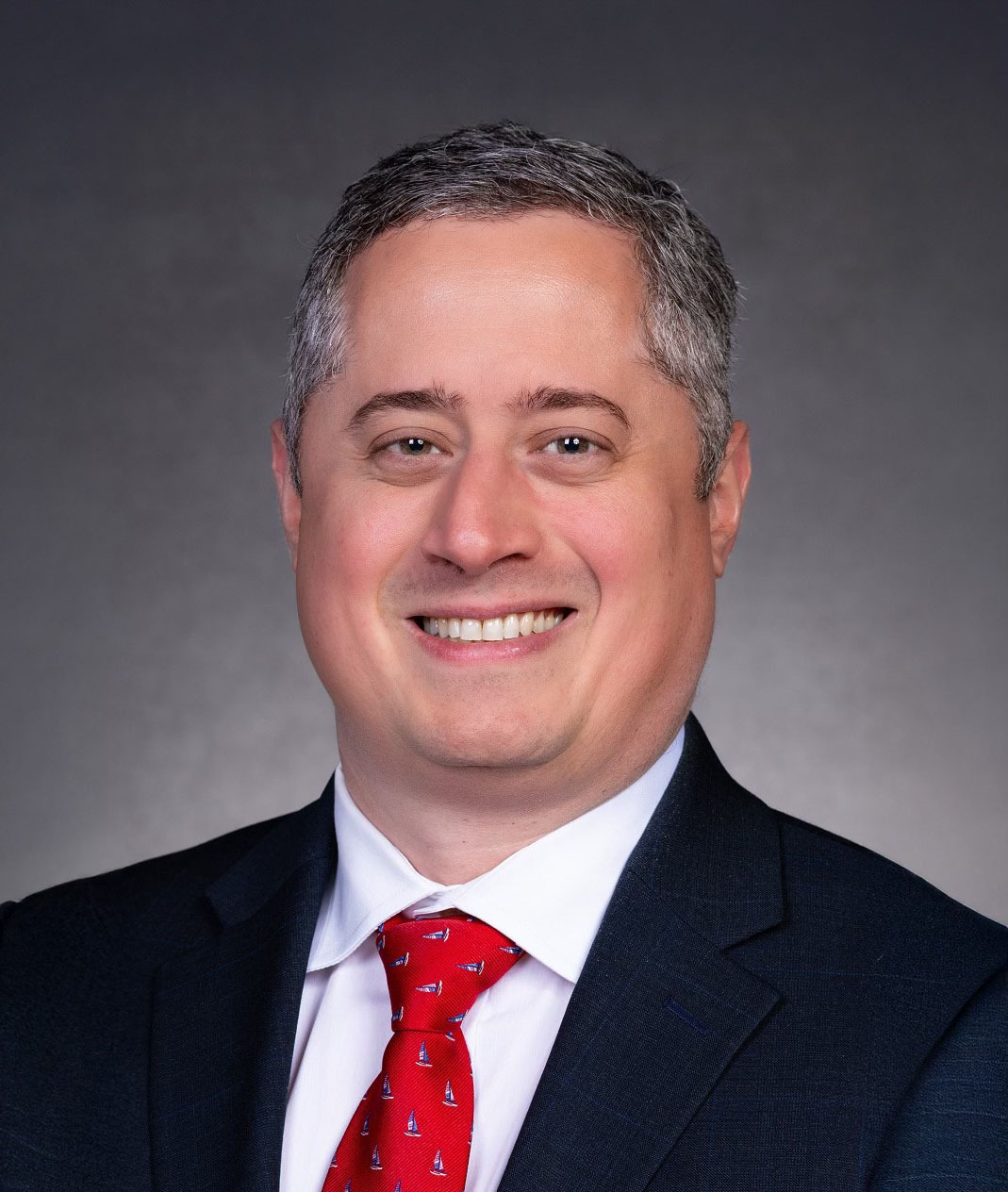
Dibson Dibe Gondim, MD
Associate Professor Of Pathology
Vice Chair Of Computational Pathology And Artificial Intelligence
Director Of Pathology Informatics
Department of Pathology and Laboratory Medicine
University of Louisville
Dr. Gondim serves as Vice Chair of Computational Pathology and Artificial Intelligence and is an Associate Professor of Pathology at the University of Louisville in Louisville, Kentucky. He received his medical degree from the Universidade Federal do Rio Grande do Norte in Natal, Brazil, and completed his pathology residency and fellowships in Neuropathology and Genitourinary Pathology at Indiana University, followed by a fellowship in Liver and Gastrointestinal Pathology at Saint Louis University.
He is board certified in Anatomic Pathology, Neuropathology, and Clinical Informatics by the American Board of Pathology. His nationally recognized work in pathology informatics and artificial intelligence includes peer-reviewed publications, as well as the USCAP Surgical Pathology Award (2019) and the Association for Pathology Informatics Becich–Friedman Distinguished Oral Presentation Award (2024). Under his leadership, University of Louisville Health became an early adopter of full prospective digitization of glass slides with integrated AI solutions, and he has led the development of web-based platforms and contributed to the acquisition of NSF-supported high-performance computing initiatives that advance clinical care, education, and computational pathology research.
 Kareem Hosny, MD, MPH
Medical Director, Head of Digital Pathology
University of Washington
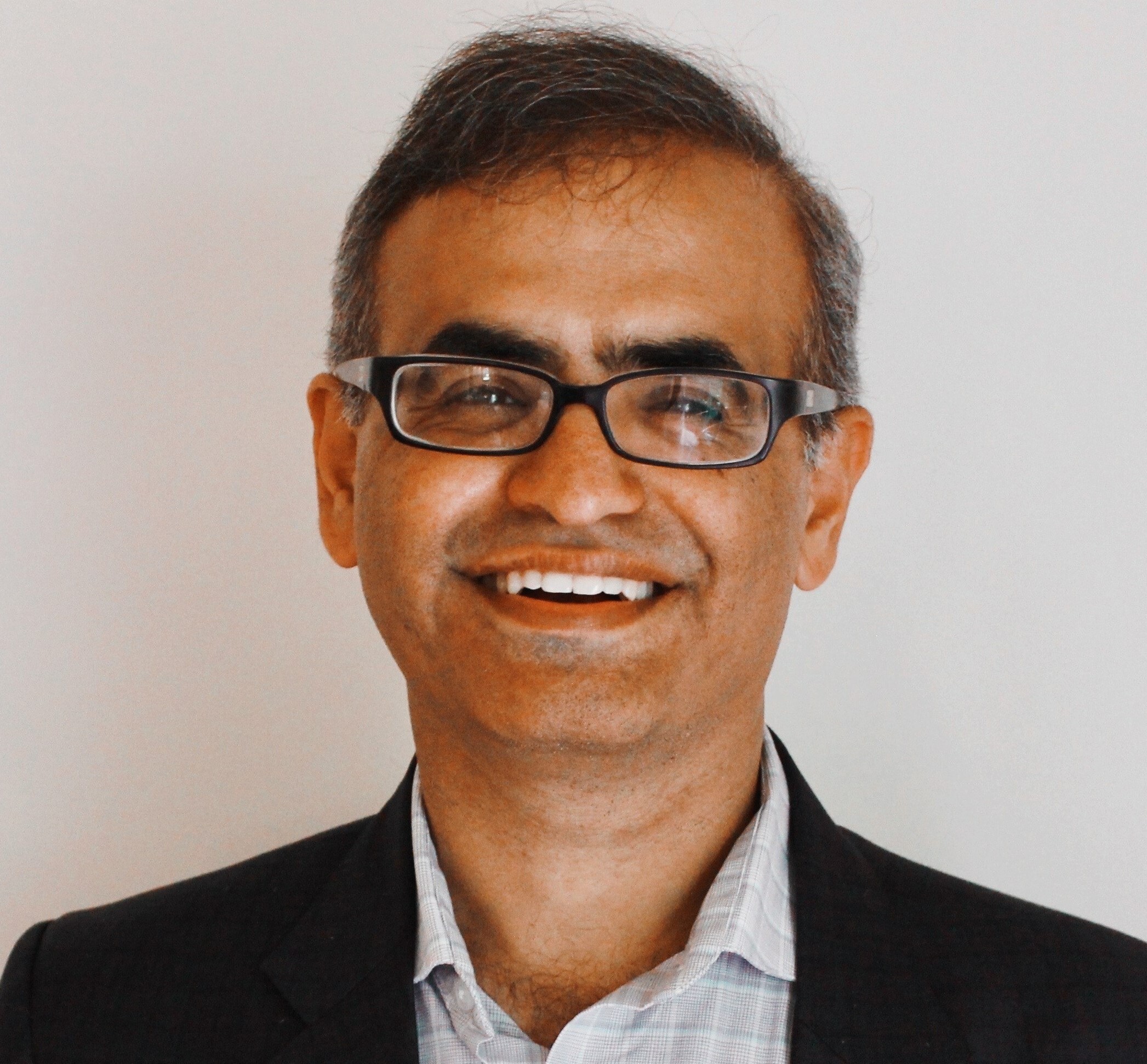 Rajendra Singh, MD
Professor of Pathology
Associate Vice Chair for Digital Pathology
University of Pennsylvania
Dr. Rajendra Singh is the Professor of Pathology and Associate Vice Chair for Digital Pathology at the University of Pennsylvania, and a globally recognized leader in medical informatics. As the founder of PathPresenter, he has revolutionized digital pathology, connecting over 75,000 users across 180 countries. His pioneering work has earned him the College of American Pathologists (CAP) Lifetime Achievement Award IN 2022 and repeated honors on The Pathologist’s "Power List 100." In 2025, he was awarded The "Meritorious Service Award" from the CAP. He further advances the field as a member of the Digital Pathology Association (DPA) Education Committee and co-creator of the DPA’s Digital Anatomic Pathology Academy (DAPA). Beyond his technological innovations, Dr. Singh is a distinguished educator—winning "Teacher of the Year" at the Icahn School of Medicine for five consecutive years—and a prolific author, serving as the Co-Chair of the WHO Digital and Computational Committee and Chief Editor of two pathology books from Ace the Boards.
Moderator:
 Anil V Parwani, MD, PhD, MBA
Medical Director
Ohio State University Wexner Medical Center


