Subject to change.

Subject to change.
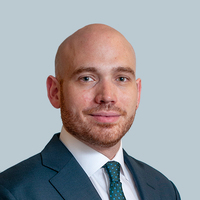
Emilio Madrigal, DO, is a cytopathologist and informatician at Mass General Brigham in Boston and an Assistant Professor of Pathology at Harvard Medical School, where he specializes in leading complex clinical system integrations. His research focuses on digital pathology workflow orchestration and DICOM imaging processing. He currently serves as co-chair for the Association for Pathology Informatics Technology Standards and Innovation Committee.
Introduction/Background: Pathology utilizes digital media throughout its practice, from grossing photography and radiography to digital microscopy. Despite this prevalence, a standardized, enterprise-scale record for this media is often lacking due to decades of organic technology adoption. Files remain in proprietary silos without the metadata necessary for provenance. While the digital imaging and communications in medicine (DICOM) standard solved this for radiology, its implementation in pathology has focused primarily on whole slide imaging, often excluding other essential media types.
Methods/Design: We implemented an automated pipeline using HL7 Fast Healthcare Interoperability Resources (FHIR) bundles to normalize metadata and facilitate DICOM conversion of pathology digital media into a permanent and accessible medical record.
Results: This pipeline was deployed across seven facilities using three anatomic pathology laboratory information systems, processing 244,179 files to date. In the first 95 days, media was accessed using our integrated web-based viewer 24,946 times by 225 unique users (69% of staff pathologists). Notably, 10% of the total institutional caseload had digital media accessed at least once.
Conclusion/Discussion: This unified, standards-based infrastructure is clinically viable across a multi-institutional enterprise. The system increased efficiency for final case verification and enabled seamless interdisciplinary review. This represents a foundational step toward integrated diagnostic care and demonstrates that moving beyond just whole slide imaging toward a universal DICOM standard for all pathology media is achievable at scale.
Learning Objectives:


© 2026 DIGITAL PATHOLOGY ASSOCIATION
ALL RIGHTS RESERVED
DISCLAIMER | SITEMAP | CONTACT US | PRIVACY POLICY
