DPA Companion Meeting
Wednesday, June 17, from 1:00–2:00 PM
Messe Congress Graz
From Implementation to Innovation: Building Sustainable, AI-Ready Digital Pathology Programs
Digital pathology is no longer an emerging technology – it is the operational backbone of modern pathology practice. Yet as adoption accelerates worldwide, pathology leaders continue to wrestle with a familiar set of challenges: infrastructure complexity, workforce readiness, financial justification, and now the rapid integration of AI-assisted diagnostics.
This companion meeting, presented by the Digital Pathology Association (DPA), equips attendees with the strategic insights and practical tools needed to design, scale, and sustain digital pathology programs built for the AI era.
Presentations will cover the DPA's resources and initiatives supporting the broader digital pathology community, real-world implementation experience drawn from frameworks applied in complex health systems, and financial stewardship strategies – including hands-on guidance using the DPA ROI Calculator for investment planning and cost modeling.
Attendees will leave with actionable frameworks, peer-tested strategies, and a clearer roadmap for building programs that are not just digitized – but durable, scalable, and AI-ready.
Speaker Presentations:
 Orly Ardon, PhD, MBA
Director Digital Pathology Operations
Memorial Sloan Kettering Cancer Center
2026 DPA Board Secretary
Financial Stewardship for Digital Pathology Operations
As digital pathology programs scale, traditional budgeting models often fail to capture the evolving operational and infrastructure costs associated with enterprise deployment. This presentation highlights the need for updated cost categories, long-term financial projections, and sustainable stewardship strategies, while showcasing the DPA Return on Investment (ROI) Calculator as a practical tool for evaluating and planning digital pathology investments.

Scott Blakely
Business Development Manager,
Whole Slide Imaging and Digital Pathology
Hamamatsu Corporation, USA
2026 DPA President
Digital Pathology Association Highlights
Discover how the Digital Pathology Association (DPA) is shaping the future of pathology through innovation, education, and collaboration. This session will highlight the organization’s impact on advancing digital pathology adoption, developing best practices, supporting professional education, and fostering global partnerships across healthcare, academia, and industry. Attendees will gain insight into how the DPA continues to drive standards, advocacy, and transformative change in modern diagnostic medicine.
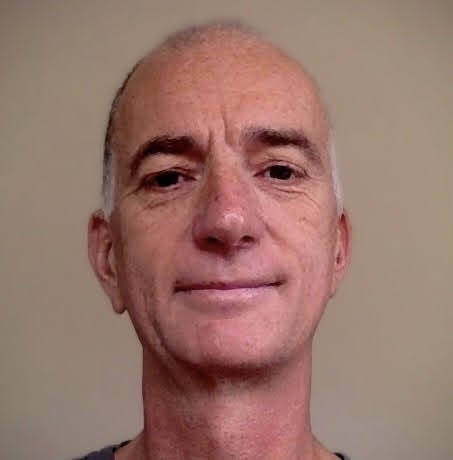
David Clark, MB BS, MD, MRCP(UK), FRCPath
Clinical Lead for Computational Pathology, East Midlands Pathology Network
Consultant Haematopathologist, Nottingham University Hospitals NHS Trust
Designing Digital Pathology Transformation for the AI Era: Four Challenges, One Systems Problem
Every digital pathology programme confronts the same four challenges: integrating with existing LIMS and IT systems; integrating scanning into already-stretched laboratory workflows; supporting pathologists and biomedical scientists through the largest professional change of their careers; and sustaining investment as AI-assisted diagnosis moves from research into routine use.
This talk draws on the Nottingham University Hospitals digital pathology implementation to argue that these are not four separate problems but four perspectives — People, Systems, Design, and Risk — on a single system redesign. Using the Royal Academy of Engineering's Engineering Better Care framework and the emerging Healthcare Systems Engineering evidence base, it shows how systems engineering reframes familiar implementation pain points into concrete design questions, and why that matters for the next wave of AI-era implementations.
Attendees will leave with a way to diagnose why digital pathology programmes stall, a language for discussing people and process as design variables, and a forward view on the infrastructure, workforce, and governance work that routine AI-assisted diagnosis will demand of international pathology services in the coming decade.


