Subject to change.

Subject to change.
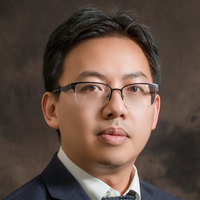
Handy Oen is the Cytology Service Assistant Manager for the Department of Pathology and Laboratory Medicine at Memorial Sloan Kettering Cancer Center in New York, NY. Handy holds professional certifications as a cytotechnologist and inmolecular biology. He currently oversees multiple MSK regional sites, leveraging his expertise in telepathology workflows, regulatory compliance, and quality assurance to ensure inspection readiness across agencies such as JCAHO, State, and CAP.
The integration of artificial intelligence (AI) into cytopathology represents a rapidly advancing area with a significant potential to improve diagnostic accuracy, efficiency, and quality across the cytology workflow. Potential benefits include pre screening and triage of cases, real time clinical decision support during slide interpretation, and post analytic quality assurance through detection of diagnostic discordance. However, successful implementation remains dependent on thoughtful evaluation guided by good laboratory practices. Rigorous validation, standardized workflows, adequate user training, and careful integration into existing laboratory practices are critical to ensure consistent performance across clinical environments. In parallel, the regulatory landscape governing clinical AI applications in pathology continues to evolve, requiring cytopathologists to understand validation requirements, quality management principles, and regulatory expectations specific to AI enabled medical software. As AI becomes increasingly embedded in cytopathology practice, cytopathologists are uniquely positioned to guide its responsible and effective adoption. This session will address key aspects of AI integration in cytopathology, including workflow implementation strategies, clinical decision support capabilities, and the regulatory framework, with the goal of promoting a safe and patient centered use of these emerging technologies.
Learning Objectives:


© 2026 DIGITAL PATHOLOGY ASSOCIATION
ALL RIGHTS RESERVED
DISCLAIMER | SITEMAP | CONTACT US | PRIVACY POLICY
